Industry Insights

Food Industry Insights, Curated by Humboldt.

Latest

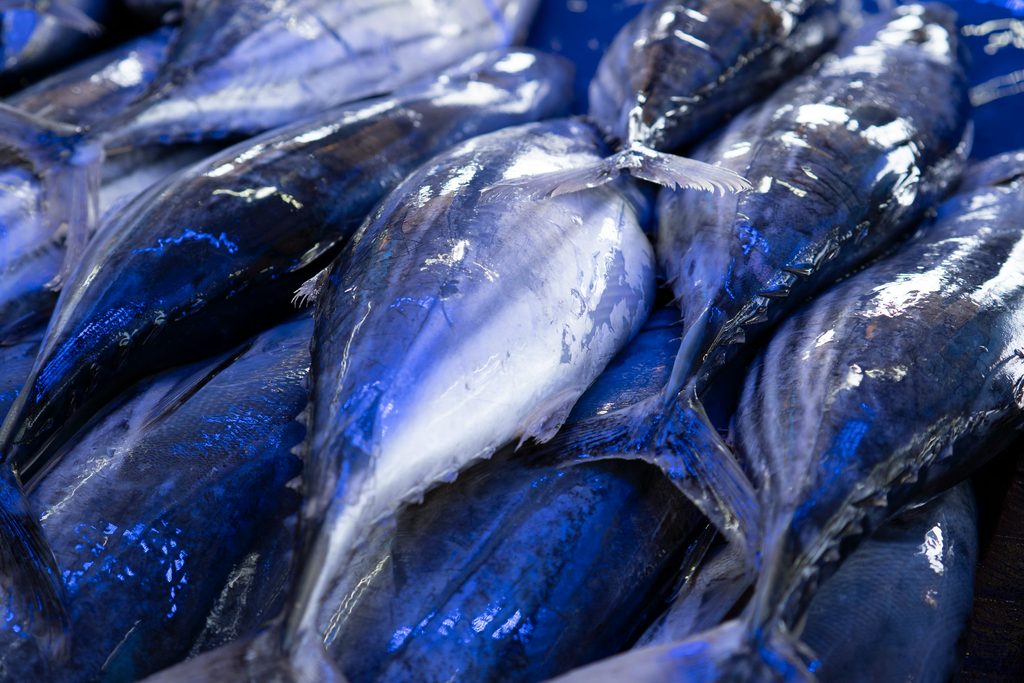
Bangkok tuna pricing keeps upwards momentum

Bangkok skipjack raw material prices are climbing sharply, with prices close to historic peaks. The core driver is persistently poor catch rates across the Western and Central Pacific, with fleets spread across EEZs and high seas showing little sign of improvement. A confirmed strong El Niño through September–November is compounding the problem, warming sea surface temperatures across the WCPO and EPO in ways that typically disperse tuna away from normal fishing grounds. On top of weak catches, fuel costs are rising as Middle East conflict and constrained Strait of Hormuz flows push crude prices up, with Singapore MGO bunker prices jumping notably week-on-week — squeezing vessel owners and processors from both directions simultaneously.
Pet Fair South East Asia 2026 to bring the global pet industry together in Bangkok

Pet Fair South East Asia, the region’s only fully B2B pet industry exhibition, returns for its fifth edition from 28–30 October 2026 at BITEC in Bangkok.

Organized by VNU Exhibitions Asia Pacific and Globus Events, it’s expected to draw 450 exhibitors from 40 countries and 12,500 trade visitors from over 80 countries, with the exhibitor base roughly 30% local and 70% international. Country pavilions will represent the US, Italy, Spain, China, India, Japan, Thailand and other Southeast Asian markets.

Pet brands make up 44% of the show floor and OEM/private-label manufacturers 42%, with pet food and treats leading, followed by wellness, hygiene, accessories, grooming, toys, technology and apparel. Strictly B2B, the show targets distributors, importers, wholesalers, retailers, private-label buyers, manufacturers and veterinarians. Online and on-site matchmaking, plus a two-stage conference, round out a platform aimed at sourcing, partnerships and market expansion across Southeast Asia’s growing pet care sector.

Meet us there!

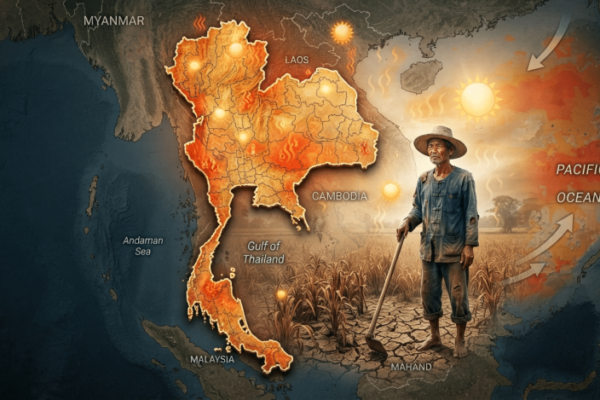
Super El Niño Threatens Thailand’s Agricultural Sector in 2026

A possible Super El Niño from mid-2026 through early 2027 threatens Thailand’s agriculture, with NOAA giving it a 90%+ chance of becoming very strong through fall/winter 2026-27.

Forecasts point to below-normal rainfall, extreme heat, longer dry spells, and sudden flash floods, risking rice, fruit, rubber, cassava, and sugarcane.

Krungthai COMPASS and NESDC estimate potential agricultural losses exceeding THB 62 billion, including THB 43 billion in rice losses (roughly 5.4 million metric tons of production) and an 8% drop in farmer income, though these remain projections, not confirmed outcomes.

Rain-fed rice faces the greatest exposure, while cassava, sugarcane, rubber, and fruit trees face slower but lasting damage.

Recommended responses include monitoring forecasts and reservoirs weekly, adjusting planting dates, choosing drought-tolerant varieties, conserving water, and maintaining drainage before heavy rain.

Thailand’s Ministry of Agriculture has outlined four priorities: water storage, replenishment, crop adjustment, and monitoring, alongside longer-term resilience measures like diversification, insurance, and improved infrastructure to protect farm income and food security.

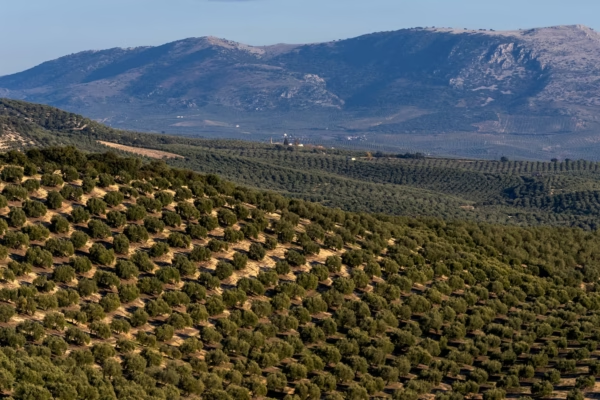
Spain Produces 1.3M Tons of Olive Oil as Prices Fall

Spain produced 1.3 million metric tons of olive oil in the 2025/26 crop year, below the pre-harvest estimate of 1.45 million tons but above February’s storm-driven forecast of 1.2 million tons, and 14% above the four-year average.

Andalusia, the top producer, saw output fall sharply from 1.15 million to 974,100 tons, partly offset by strong gains in Aragón, Valencia, Catalonia, Murcia, the Balearic Islands, and the Canary Islands. Castilla-La Mancha declined modestly while Extremadura stayed stable.

Despite lower overall production than 2024/25’s 1.42 million tons, stocks rose for a third consecutive month, driven by weaker domestic sales (362,800 tons vs. 377,200 tons) and lower exports (745,300 tons vs. 759,400 tons), even as imports increased.

Extra virgin olive oil prices at origin fell to about €362 per 100kg, their lowest since 2022 and roughly 50% below 2023-2024 peaks. Table olive production also declined slightly, from 533,200 to 503,100 tons.

Want to discuss an opportunity?

We're always open to a conversation about your sourcing needs.

Get in Touch